











Physiotherapy Focused on Restoring Comfort, Strength, and Confidence
Physiotherapy helps people move with more comfort, confidence, and control. Many people look for physiotherapy when pain, stiffness, or weakness starts to interfere with daily life, work duties, or physical activity. At The Physio Care, our team provides physiotherapy in Okotoks, AB with a clear, patient-friendly approach that focuses on understanding movement and supporting steady progress. Patients often want to return to routine activities, improve strength, and feel more at ease during everyday tasks. Our clinic builds care around those goals.
Understanding What Physiotherapy Does
Physiotherapy focuses on how the body moves and how movement affects pain and function. Our physiotherapists assess joints, muscles, posture, and movement patterns to understand what may be limiting comfort or performance. Treatment plans often combine guided exercise, hands-on techniques, and education. This combination helps patients understand their bodies and make informed choices about activity. Physiotherapy supports people at many stages, from new discomfort to recovery after injury or surgery.
Advanced Treatment Techniques That Support Your Recovery
At The Physio Care, our team uses a range of evidence-based physiotherapy techniques to support movement, reduce discomfort, and improve function. Each treatment serves a specific purpose and works best as part of a complete rehabilitation plan that includes exercise, education, and movement training. We choose techniques based on your assessment findings, goals, and comfort level. The treatments below represent common tools our physiotherapists may use to help patients return to daily life, work, and sport with greater confidence.
ACL Injury Prevention
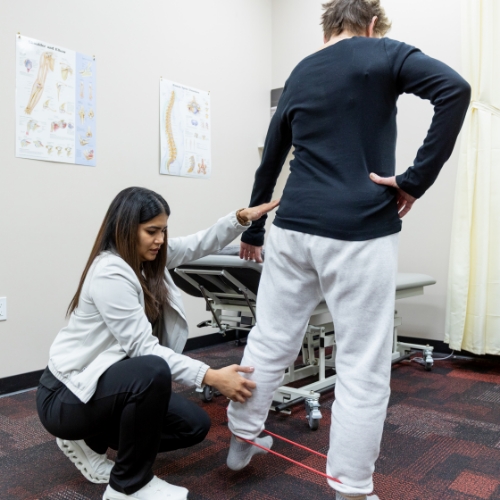
ACL injuries often occur during sports that involve sudden stops, cutting, jumping, or quick changes in direction. Many athletes want to stay active and competitive without the setback of a knee injury. ACL injury prevention focuses on strengthening the muscles that support the knee, improving balance, and teaching proper movement patterns.
Physiotherapists guide athletes through exercises that train the hips, core, and legs to work together more efficiently. This coordinated strength helps reduce stress on the knee joint during high-demand activities. Prevention programs also emphasize landing mechanics and body awareness, which support safer performance during sport and recreation.
With structured guidance, athletes can build confidence in their movement and reduce the risk of avoidable knee injuries.
Assisted Stretching
Assisted stretching involves a trained provider guiding a patient through controlled stretches to improve flexibility and joint mobility. Many people feel tightness from long hours of sitting, repetitive work tasks, or limited activity. Assisted stretching helps target specific muscle groups that may be difficult to stretch effectively on your own.
A physiotherapist adjusts each stretch based on comfort and movement quality, which allows for better alignment and control. This approach can help reduce stiffness, support better posture, and improve overall range of motion.
Patients often report feeling lighter and more mobile after sessions. Assisted stretching works well as part of a broader physiotherapy plan that includes strengthening and movement training.
IASTM / Graston Technique
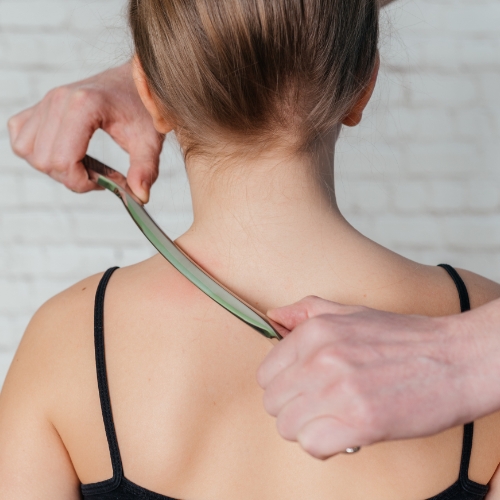
IASTM and Graston Technique, or instrument-assisted soft tissue mobilization, uses specialized tools to assess and treat areas of muscle or connective tissue tightness. Therapists glide these tools along the skin to detect and address areas that feel restricted. This technique helps improve tissue mobility and may support circulation in targeted regions. People often ask about IASTM or the Graston technique when they experience persistent tightness, limited movement, or discomfort during activity. The controlled pressure applied during treatment helps break down minor restrictions in soft tissue, allowing muscles and tendons to move more freely. Instrument-assisted soft tissue mobilization is typically combined with corrective exercises to help maintain improvements and support long-term function.
Cupping
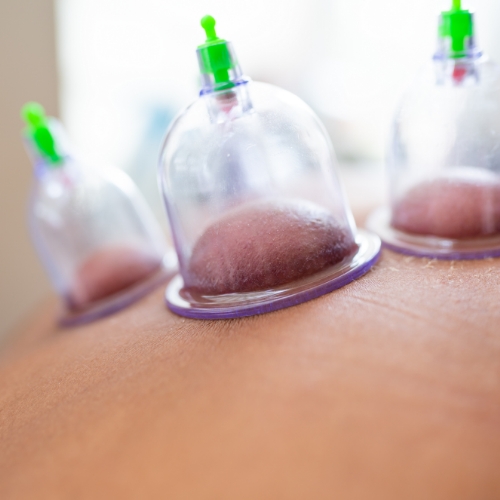
Cupping therapy uses gentle suction created by specialized cups placed on the skin. This suction lifts the underlying tissue slightly, which may help improve circulation and reduce muscle tightness.
Many people seek cupping when they feel ongoing muscle tension or soreness after activity. The sensation often feels like a deep stretch rather than pressure. Physiotherapists monitor each session closely to ensure comfort and appropriate placement.
Cupping is often used alongside other physiotherapy treatments, such as exercise and manual techniques, to support overall recovery. When applied thoughtfully, cupping can complement a full rehabilitation plan focused on restoring movement and function.
Joint Replacement Rehab
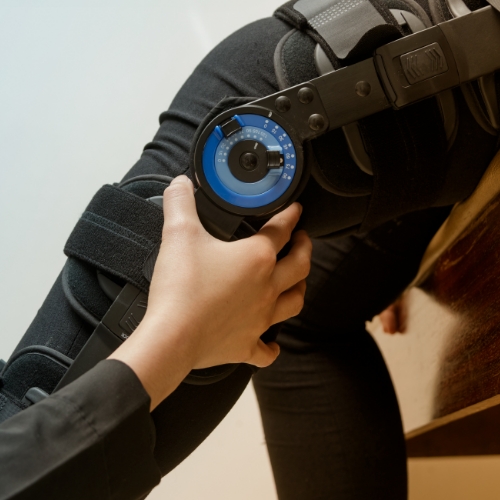
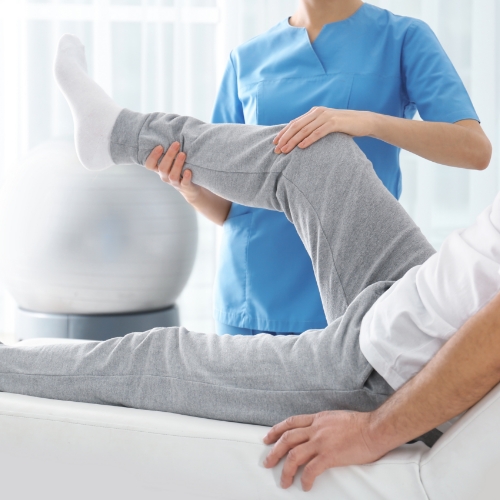
Joint replacement rehabilitation supports people recovering from hip, knee, or other joint surgeries. After surgery, many individuals want to regain independence, improve strength, and return to daily routines safely. Physiotherapy plays an important role in guiding this recovery process. Early sessions often focus on restoring gentle movement and managing swelling. As healing progresses, treatment shifts toward strengthening, balance training, and functional activities like walking and stair climbing. Structured guidance helps patients move with confidence while respecting surgical precautions. A personalized plan ensures that progress matches each person’s goals and comfort level. Joint replacement rehab helps support a steady return to activity and improved quality of life.
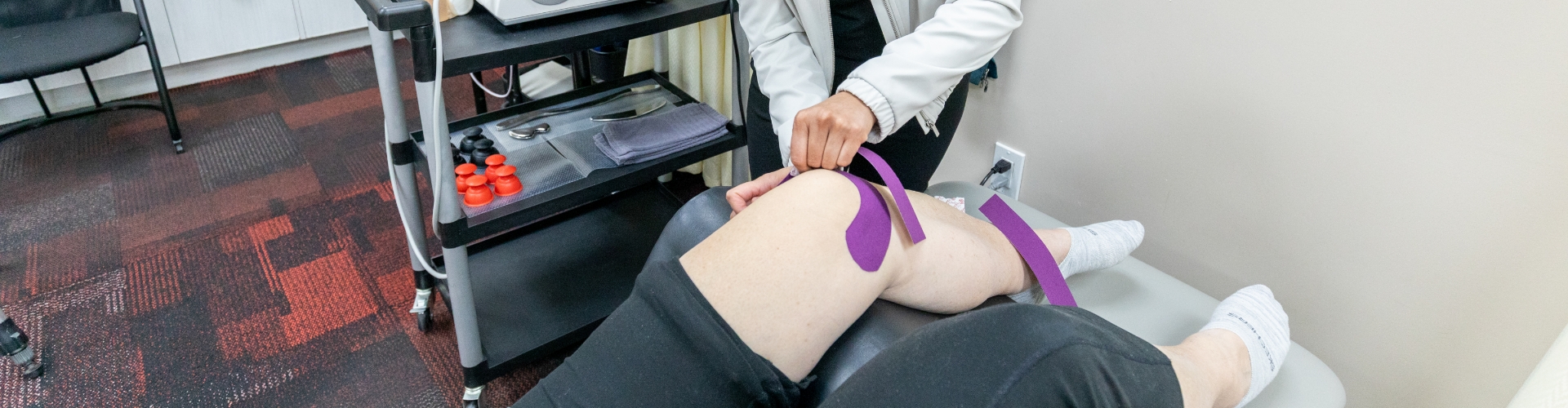
Kinesio Taping
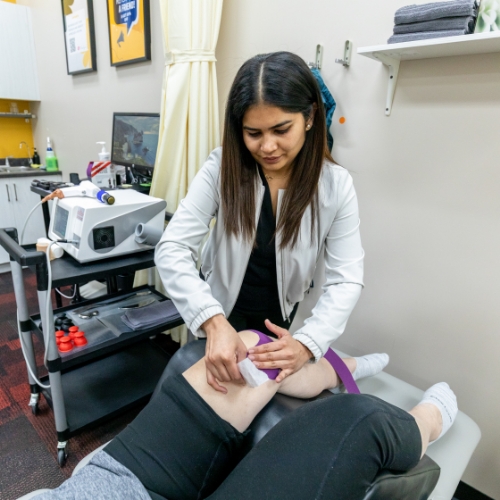
Kinesio taping involves applying flexible, supportive tape to the skin to assist muscles and joints during movement. The tape moves with the body and does not restrict the normal range of motion.
Many people ask about kinesio taping when they want additional support during sports or daily tasks. The tape may help improve body awareness and provide a sense of stability. Physiotherapists place the tape based on specific movement patterns and treatment goals.
Kinesio taping works best when combined with strengthening and corrective exercises. It serves as a supportive tool rather than a stand-alone treatment, helping patients stay active while they continue their rehabilitation plan.
Manual Therapy
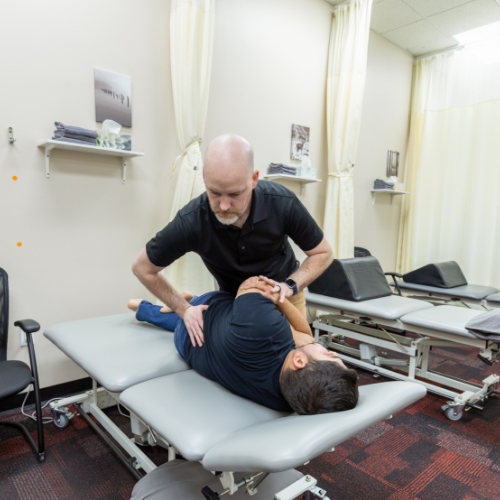
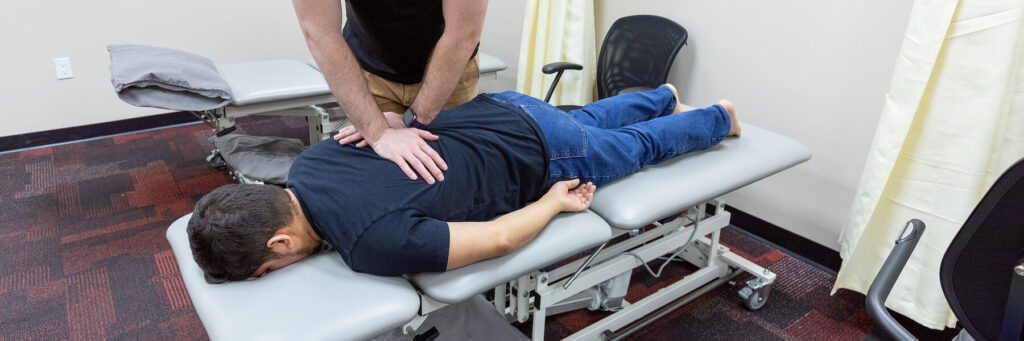
Manual therapy refers to hands-on techniques used by physiotherapists to assess and treat joints and soft tissues. These techniques may include gentle joint mobilizations, soft tissue work, and guided movement.
Many patients seek manual therapy when they experience stiffness, restricted movement, or localized discomfort. Hands-on treatment can help improve joint mobility and reduce muscle tension, making movement feel smoother and more comfortable.
Physiotherapists use manual therapy as part of a complete treatment plan that includes exercise and education. This combination supports both short-term relief and long-term improvement in strength and function.
Gunn IMS / Dry Needling / Acupuncture
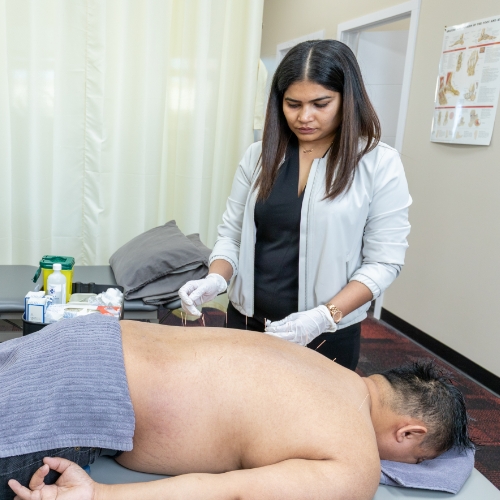
At The Physio Care, Gunn IMS, dry needling, and acupuncture are specialized techniques that may be integrated into your physiotherapy plan when muscle tension or nerve irritation limits progress. These approaches use very fine needles to stimulate targeted areas of muscle or connective tissue.
The goal is to reduce tightness, improve circulation, and support healthier muscle activation. Patients often consider these techniques when stretching and strengthening alone do not fully resolve persistent discomfort. Within our structured rehabilitation model, we use Gunn IMS, dry needling, or acupuncture to create an opportunity for improved movement, then reinforce those gains through progressive exercise and functional training. This combination supports measurable improvements in mobility, strength, and daily performance.
When Physiotherapy May Be Part of Your Care
Physiotherapists at The Physio Care may include physiotherapy as part of care when movement feels limited or uncomfortable.
Many people seek physiotherapy when they notice stiffness after sitting, pain during lifting, or difficulty returning to normal routines. Others want support after surgery or an injury to rebuild strength and confidence.
Physiotherapy also helps people learn how to move more efficiently during work, exercise, and daily tasks. Care always depends on an individual assessment and personal goals.
Common Situations Where Physiotherapy May Help
Physiotherapy may support people dealing with a range of everyday concerns, including:
- Back pain or neck discomfort that affects daily movement
- Joint stiffness that limits walking, reaching, or bending
- Muscle weakness after injury or inactivity
- Motor vehicle accident
- Workplace injury
- Sport injury : sprains
- Recovery after orthopedic surgery
- Difficulty returning to work or sports activities
- Repetitive strain from work or hobbies
- Balance or coordination concerns
- General loss of mobility with activity
Each situation receives a personalized approach based on evaluation findings.
How Physiotherapy at The Physio Care Supports Your Recovery
Physiotherapy at The Physio Care works best as part of a complete plan that includes movement training, exercise, and education. Our physiotherapists choose approaches based on individual needs and progress.
- A movement assessment identifies how joints and muscles work together, helping guide care
- Hands-on techniques support joint motion and reduce feelings of stiffness
- Therapeutic exercise programs improve strength and control for daily activities
- Movement retraining helps improve posture and efficiency during tasks
- Education and self-management guidance support confident movement outside the clinic
- Activity progression planning helps patients return to work or exercise safely
The use of physiotherapy techniques depends on what each assessment shows and how the body responds over time.
Care Guided by Purpose and Progress
The Physio Care follows a clear mission, striving to make a difference. Our clinic builds result-based plans that adjust as progress occurs, rather than following fixed timelines. Physiotherapists focus on measurable improvement, clear communication, and respectful care. Patients often value knowing why a treatment is chosen and how it supports their goals. This approach helps physiotherapy stay focused on meaningful outcomes that matter in daily life.
Our values show through simple actions:
- Plans built around progress rather than session counts
- Clear explanations that support understanding and confidence
- Evidence-based physiotherapy choices guided by assessment
- Respect for individual goals, schedules, and comfort levels
frequently asked questions
What happens during a physiotherapy appointment?
How often is physiotherapy recommended?
Is physiotherapy only for injuries?
Ready to Start a Plan That Supports Movement
Physiotherapy can play an important role in helping movement feel more comfortable and controlled. At The Physio Care, our team uses physiotherapy as part of a structured plan that supports steady improvement and everyday function. Contact The Physio Care today to begin physiotherapy care focused on progress that fits your life.
Your Next Steps…
- Request An Appointment
- Receive A Custom Treatment Plan
- Work Hard and Progress In Your Recovery
- Recover & Enjoy Life Pain-Free